

In collaboration with the University of Deusto

Course objectives
The course ran from September to January and its main objective was to show students how important Information Systems and Information Technology (IS/IT) are in today’s companies and how they can be used to improve business competitiveness. Throughout the course, students explored the everyday challenges companies face and how new technologies are integrated into their operations.
More specifically, the aim was for students to become familiar with the fundamentals of information systems, understand the relationship between technology and business, and identify key tools and concepts such as ERPs, CRMs, and data analytics, as well as their role within organizations. These topics were approached from a critical perspective and supported by practical cases and real-world examples.
Personal experience
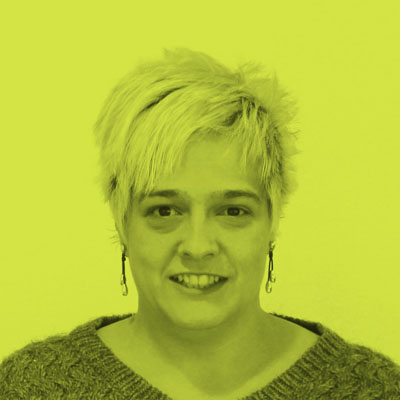
I began teaching the Information Systems course in English at the Deusto Business School last academic year. As a telecommunications engineer and with no prior experience teaching at university level, my first weeks were filled with nerves and uncertainty. However, both my students and I successfully made it through the course.
That first year helped me understand the classroom dynamics and refine my teaching approach. In the second year I returned with greater confidence. This year’s group was smaller and highly motivated, which made the experience especially positive. Ultimately, it has been a very enriching experience that complements my technical work, helping me improve my communication skills, structure ideas more clearly, and continue learning through teaching.